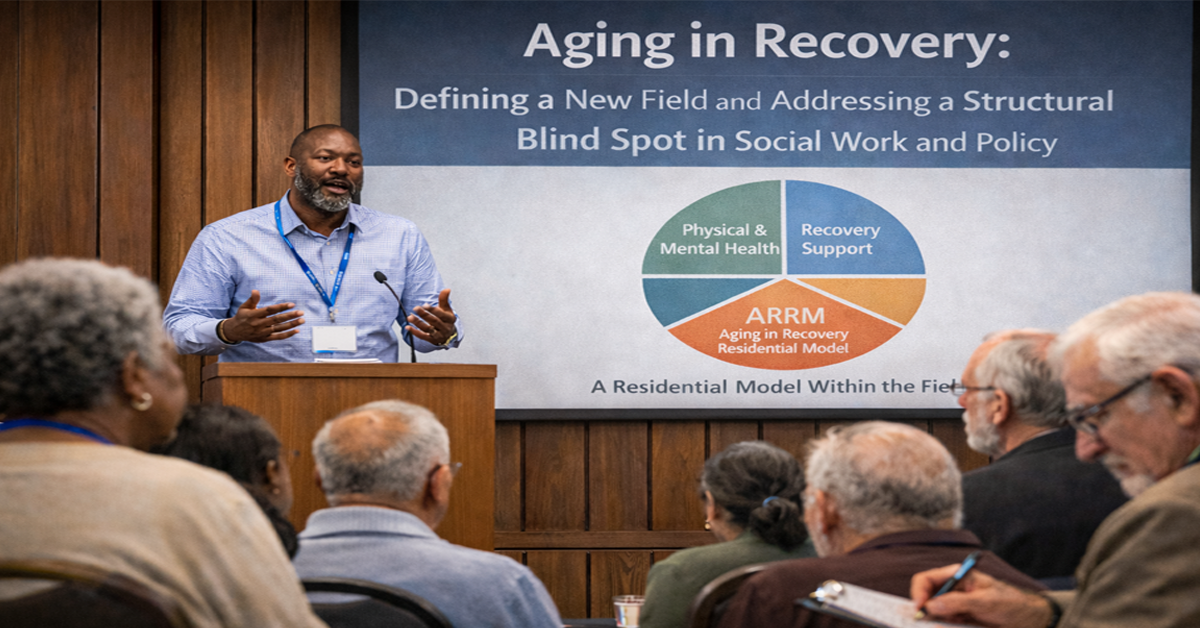
ARRM

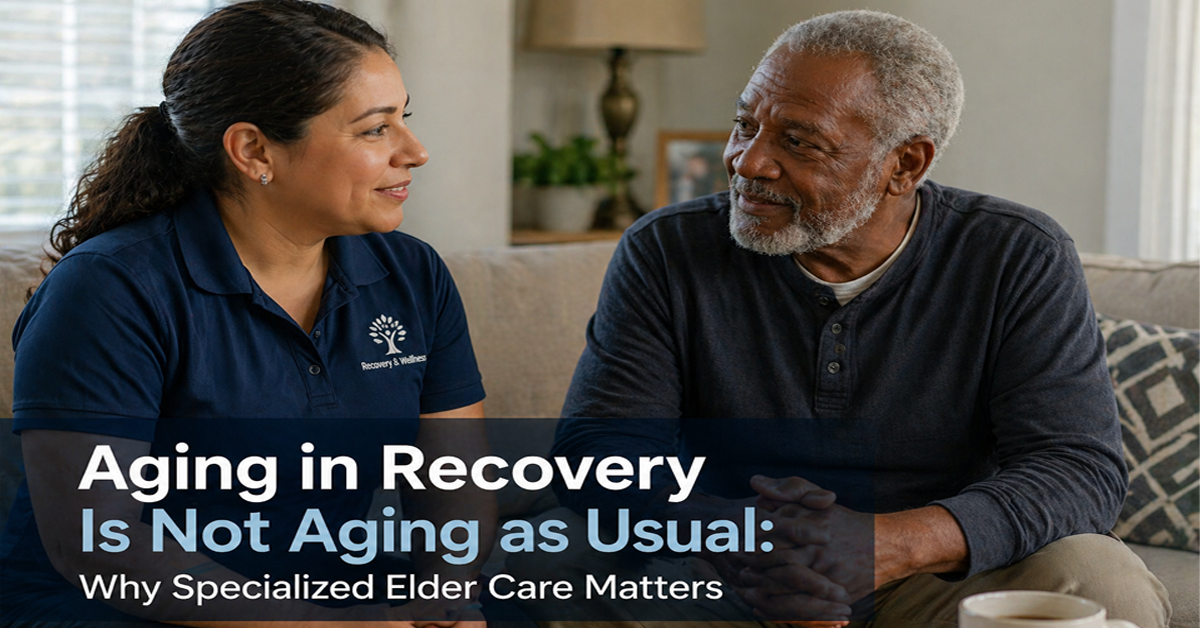
Aging in recovery is not aging as usual
Aging In Recovery, Articles, Social Work

Aging in Recovery Is Not Aging as Usual: Why Specialized Elder Care Matters

As more Americans live longer, a new population is emerging that has received far too little attention: older adults in long-term recovery from substance use disorder. Many people assume that once a person has remained clean or sober for years, they simply age like everyone else and can rely on the same senior services available […]

, , , , ,

Aging in Recovery Is Not Aging as Usual: Why Specialized Elder Care Matters Read Post »
Aging In Recovery, Articles, Social Work

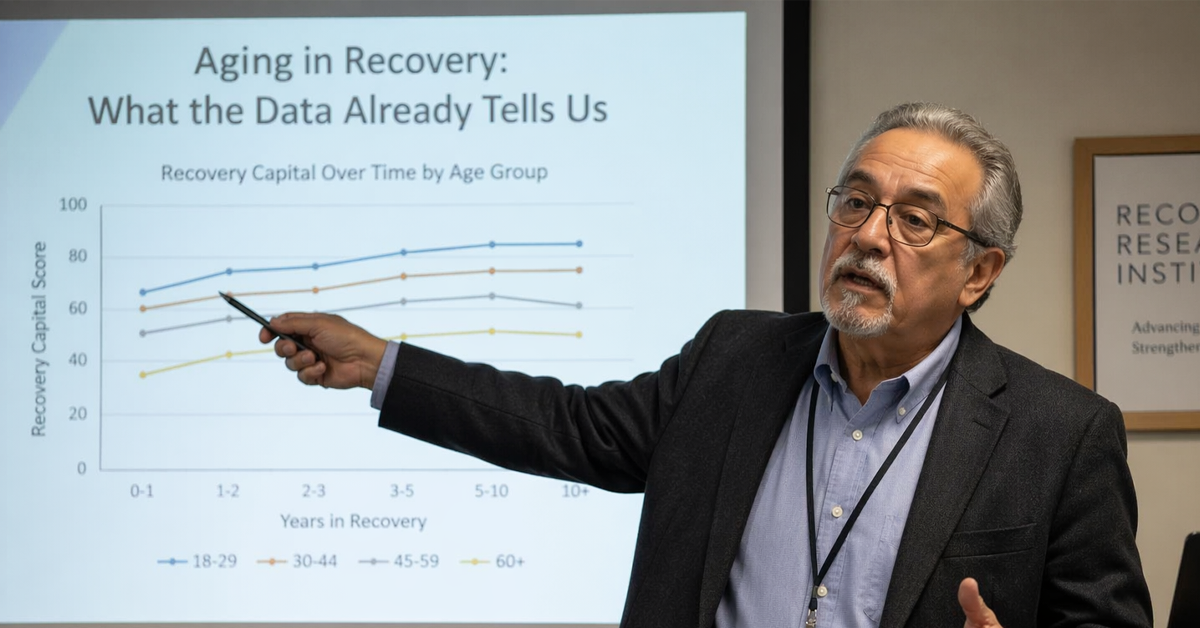
Aging in Recovery: What the Data Already Tells Us

The question is no longer whether individuals age in recovery. The question is whether existing data support treating them as a distinct population requiring a different model of care. The answer is yes. Current research provides a clear foundation for this conclusion. An estimated 20.5 million Americans identify as being in recovery from a substance

, , , , , , ,

Aging in Recovery: What the Data Already Tells Us Read Post »

Aging In Recovery, Articles, Social Work

ARRM: Rethinking Recovery Through Environment and Continuity

As the field of Aging in Recovery continues to take shape, one question becomes unavoidable: what does long-term recovery actually require as individuals enter later life? The Aging in Recovery Residential Model (ARRM) offers a clear and practical answer. It is not an abstract concept or a general response framework. ARRM is a structural, residential

, , , , , , , ,

ARRM: Rethinking Recovery Through Environment and Continuity Read Post »

Scroll to Top