aging in recovery

Aging in Recovery, Recovery Capital, and the Limits of Short-Term Remission Models: Expanding the Conversation Beyond Abstinence
Articles

Aging in Recovery: Why Abstinence Alone Is Not Enough

For decades, addiction treatment systems have focused heavily on one primary objective: helping individuals stop using substances. That work remains critically important. Detoxification, treatment access, overdose prevention, relapse prevention, and crisis stabilization save lives every day. But as I continue researching the concepts of Aging in Recovery and the Aging in Recovery Residential Model (ARRM), […]

, , , , , ,

Aging in Recovery: Why Abstinence Alone Is Not Enough Read Post »
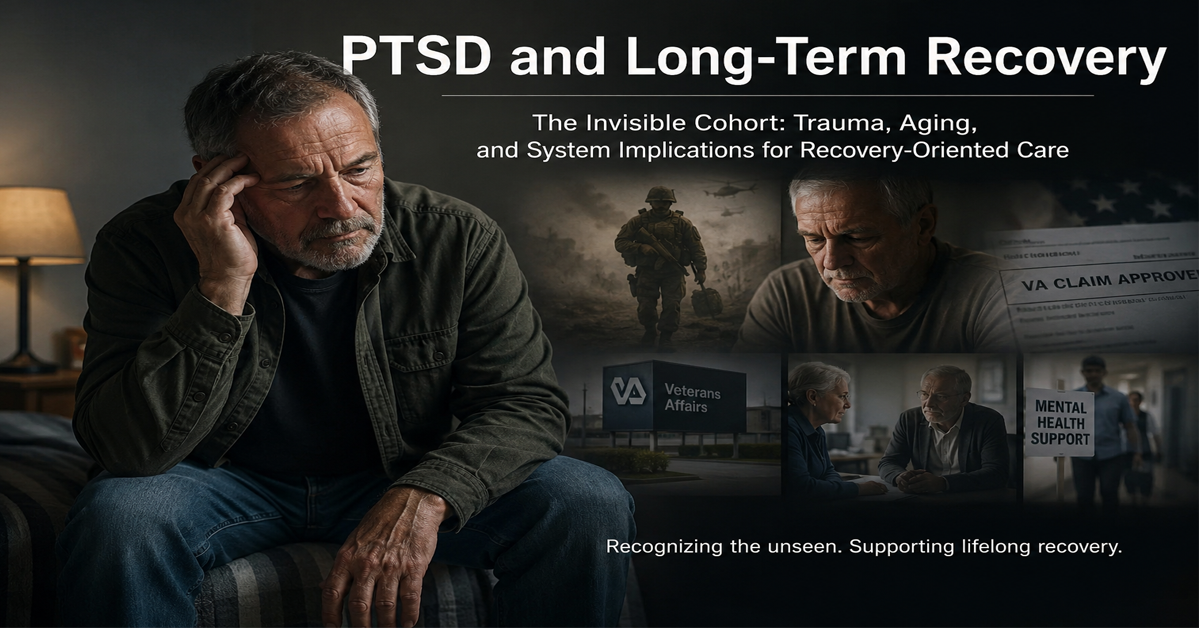
Post traumatic stress disorder (PTSD), substance use disorders (SUD), and long-term recovery
Aging In Recovery, Articles, Social Work

PTSD, Long-Term Recovery, and the Invisible Cohort

For decades, public discussions about addiction have focused primarily on active substance use, homelessness, incarceration, and crisis. Far less attention has been devoted to the large and growing population of individuals who achieved long-term recovery years ago and are now aging into later adulthood. Many of these individuals rebuilt families, careers, and stable lives during

, , , , , , , ,

PTSD, Long-Term Recovery, and the Invisible Cohort Read Post »

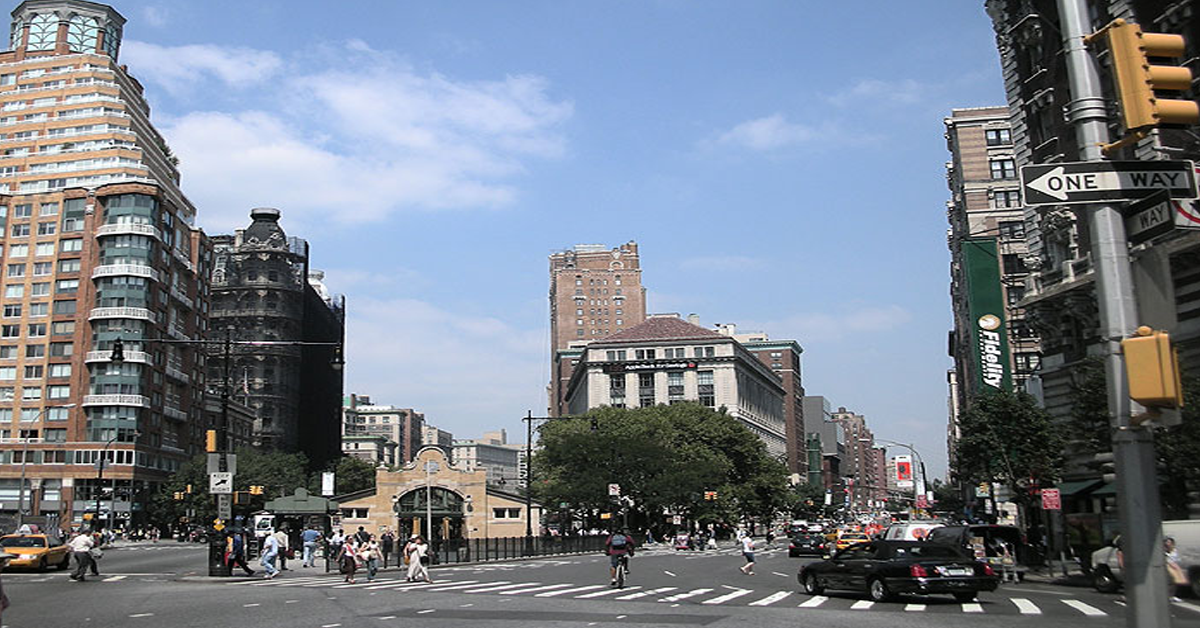
Looking northward on Broadway toward 72nd Street in Verdi Square, New York City. The New York City Subway's 72nd Street station house can be seen at left.
Articles

My Concept: The Aging In Recovery Residential Model

For decades, public systems in the United States have approached addiction and aging as entirely separate issues. We developed addiction treatment systems for people struggling with substance use disorders, and we developed aging services for older adults requiring assistance later in life. What society failed to anticipate was that millions of people would successfully recover

, , , , ,

My Concept: The Aging In Recovery Residential Model Read Post »

black-latino-couple-featured-image
Articles

Aging in Recovery: Why Older Adults in Recovery Need More Than Traditional Elder Care

The conversation around substance use disorder has historically focused on treatment, detoxification, relapse prevention, and early recovery. Far less attention has been given to what happens after recovery succeeds—especially when people age. Today, millions of Americans identify as being in recovery from alcohol or drug problems, many of whom are now entering older adulthood. Yet

, , , , ,

Aging in Recovery: Why Older Adults in Recovery Need More Than Traditional Elder Care Read Post »

Aging in recovery is not aging as usual
Aging In Recovery, Articles, Social Work

Aging in Recovery Is Not Aging as Usual: Why Specialized Elder Care Matters

As more Americans live longer, a new population is emerging that has received far too little attention: older adults in long-term recovery from substance use disorder. Many people assume that once a person has remained clean or sober for years, they simply age like everyone else and can rely on the same senior services available

, , , , ,

Aging in Recovery Is Not Aging as Usual: Why Specialized Elder Care Matters Read Post »

Aging In Recovery, Articles, Social Work

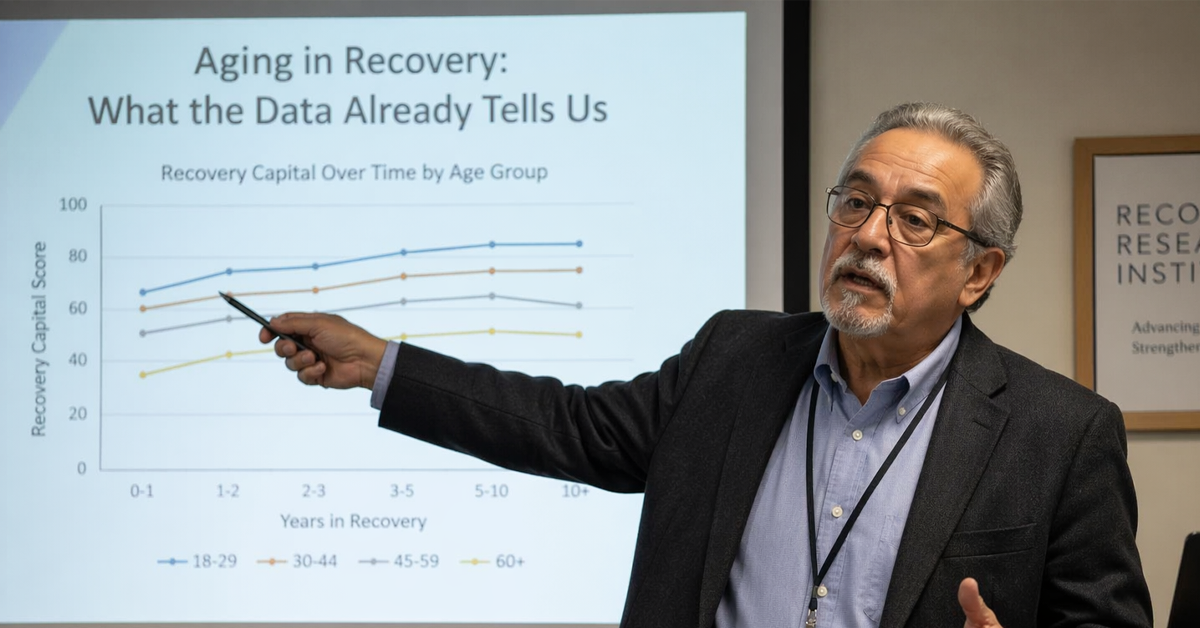
Aging in Recovery: What the Data Already Tells Us

The question is no longer whether individuals age in recovery. The question is whether existing data support treating them as a distinct population requiring a different model of care. The answer is yes. Current research provides a clear foundation for this conclusion. An estimated 20.5 million Americans identify as being in recovery from a substance

, , , , , , ,

Aging in Recovery: What the Data Already Tells Us Read Post »

Scroll to Top