addiction is a disease

Aging in recovery is not aging as usual
Aging In Recovery, Articles, Social Work

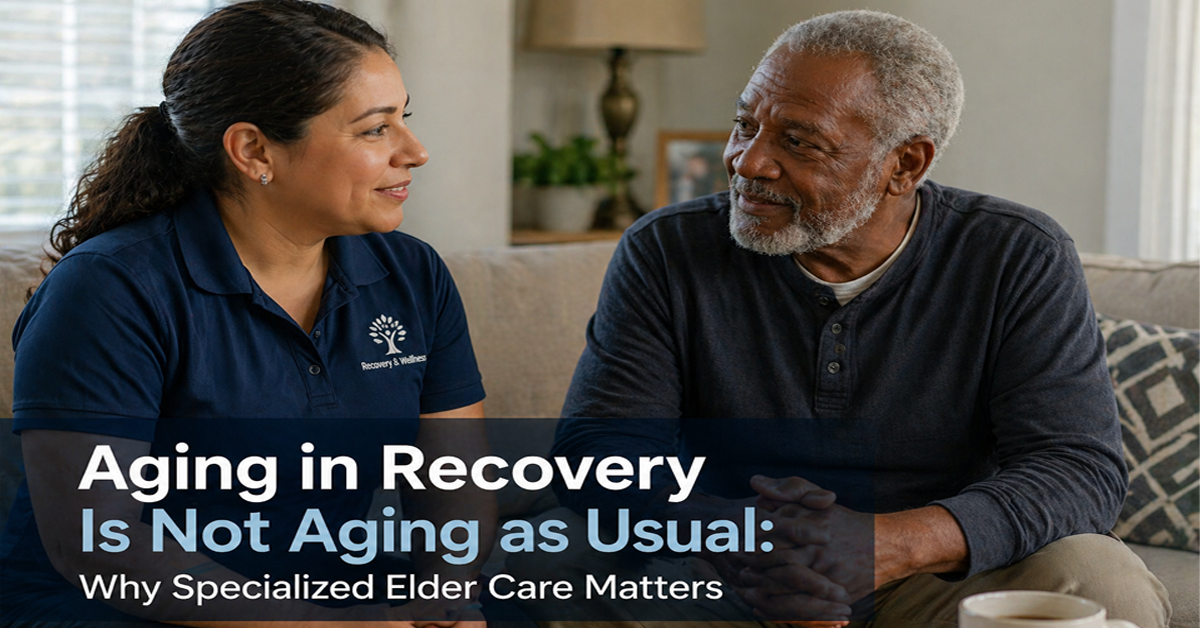
Aging in Recovery Is Not Aging as Usual: Why Specialized Elder Care Matters

As more Americans live longer, a new population is emerging that has received far too little attention: older adults in long-term recovery from substance use disorder. Many people assume that once a person has remained clean or sober for years, they simply age like everyone else and can rely on the same senior services available […]

, , , , ,

Aging in Recovery Is Not Aging as Usual: Why Specialized Elder Care Matters Read Post »

Aging In Recovery, Articles, Social Work

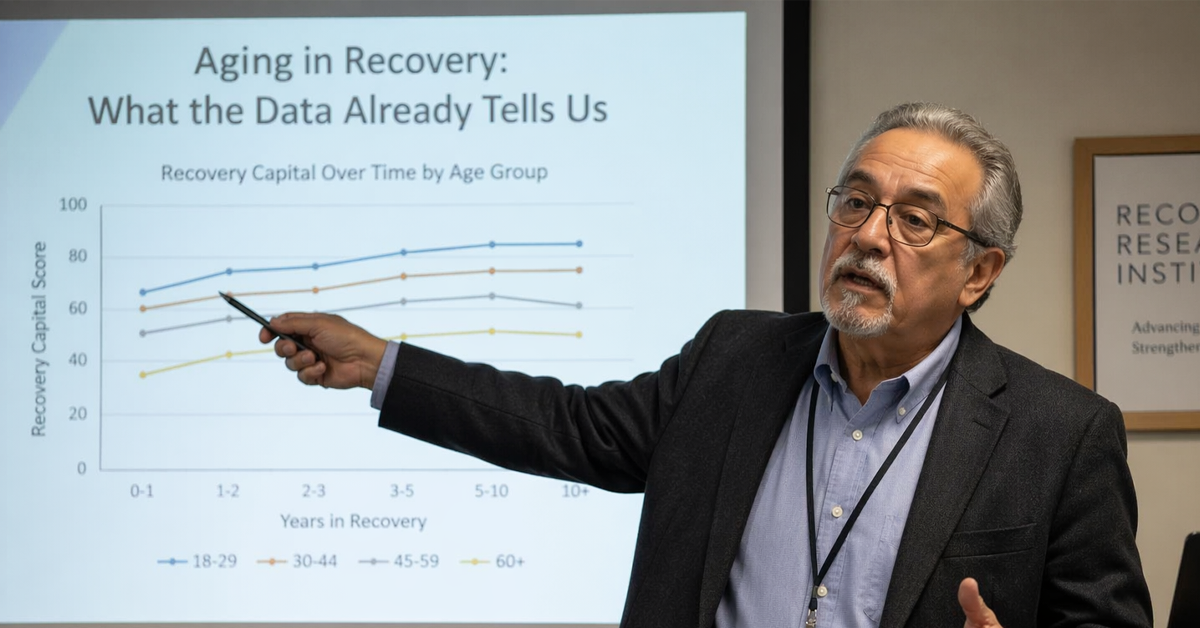
Aging in Recovery: What the Data Already Tells Us

The question is no longer whether individuals age in recovery. The question is whether existing data support treating them as a distinct population requiring a different model of care. The answer is yes. Current research provides a clear foundation for this conclusion. An estimated 20.5 million Americans identify as being in recovery from a substance

, , , , , , ,

Aging in Recovery: What the Data Already Tells Us Read Post »

Aging In Recovery, Articles, Social Work

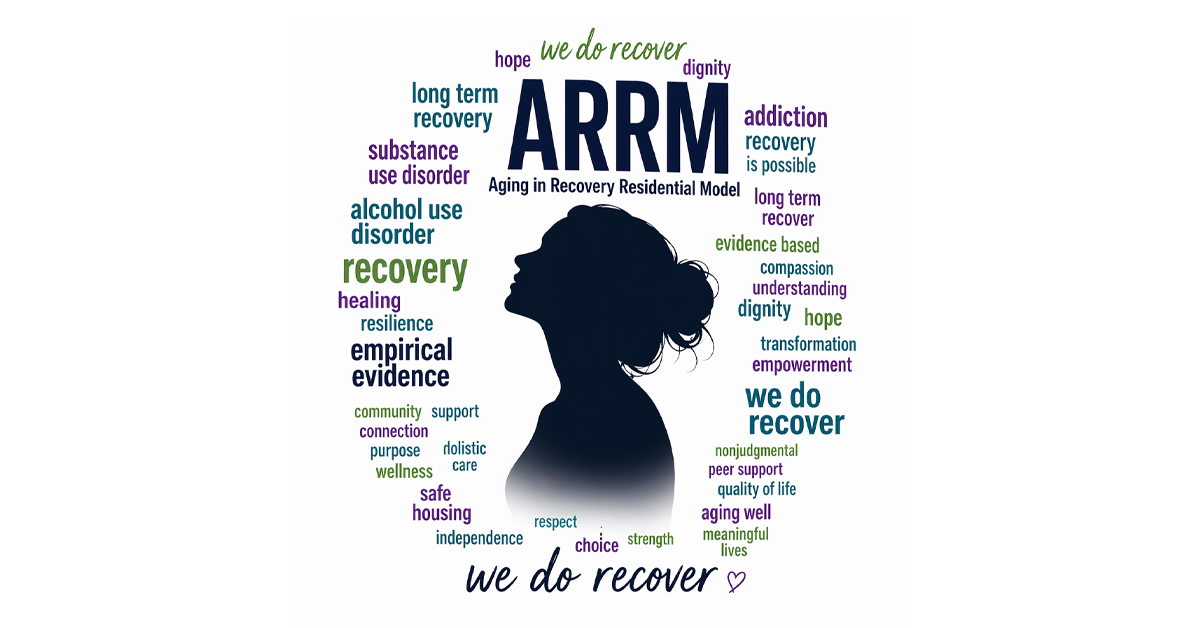
Aging in Recovery Residential Model (ARRM): What the Evidence Requires

The development of systems addressing substance use disorders and aging has occurred along separate trajectories. Treatment systems have focused on initiating recovery, while aging systems have evolved to address chronic illness and long-term care. The convergence of these two realities—long-term recovery and population aging—has produced a structural condition that existing systems were not designed to

, , , , , ,

Aging in Recovery Residential Model (ARRM): What the Evidence Requires Read Post »

Articles

Aging in Recovery: Rethinking Social Work Across the Lifespan

Social work has long been a field defined by its response to visible human need—crises, poverty, institutional neglect, and systemic inequality. Over time, influential figures such as Dorothea Dix, Jane Addams, Mary Richmond, and Saul Alinsky shaped frameworks to address urgent social problems. Yet despite this evolution, a critical phase remains underdeveloped in theory: what

, , , , , ,

Aging in Recovery: Rethinking Social Work Across the Lifespan Read Post »

Aging In Recovery, Articles, Social Work

ARRM: Rethinking Recovery Through Environment and Continuity

As the field of Aging in Recovery continues to take shape, one question becomes unavoidable: what does long-term recovery actually require as individuals enter later life? The Aging in Recovery Residential Model (ARRM) offers a clear and practical answer. It is not an abstract concept or a general response framework. ARRM is a structural, residential

, , , , , , , ,

ARRM: Rethinking Recovery Through Environment and Continuity Read Post »

Aging In Recovery, Articles, Social Work

Aging in Recovery: The Population We Failed to Plan For

Over the past several decades, thousands of individuals have achieved something once considered unlikely—long-term recovery from substance use disorders. Many have sustained that recovery for 10, 20, and even 30 years. Today, they are entering older adulthood. Yet despite this success, there is a problem: no system was built for what comes next. Aging in

, , , , ,

Aging in Recovery: The Population We Failed to Plan For Read Post »

Scroll to Top