SUD

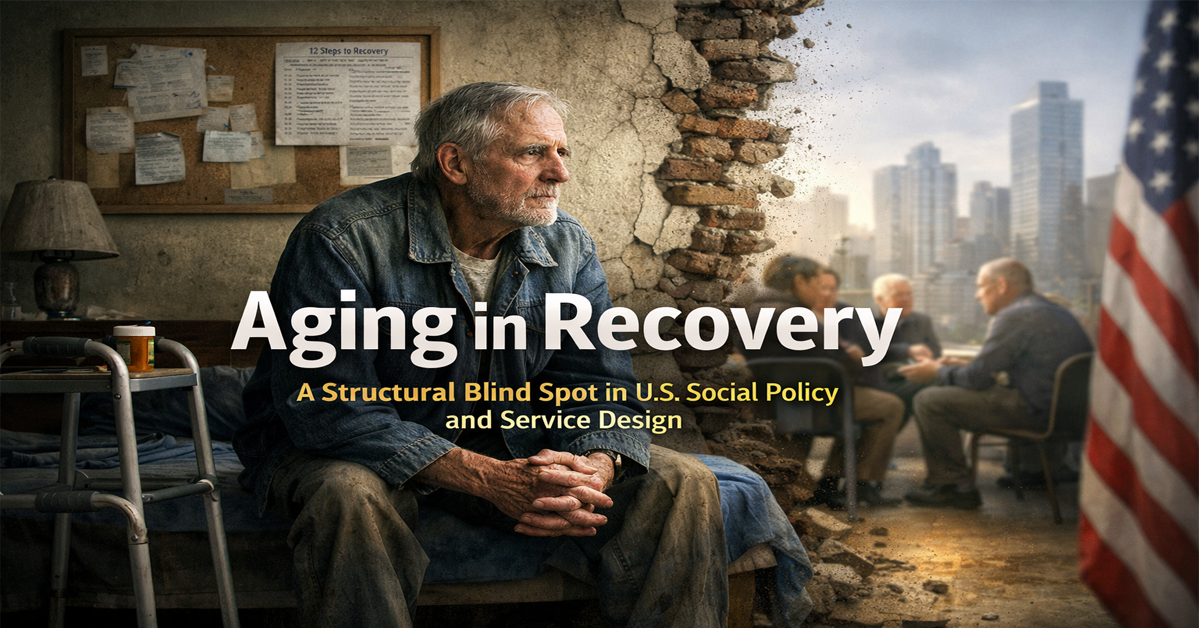
Aging in Recovery, Recovery Capital, and the Limits of Short-Term Remission Models: Expanding the Conversation Beyond Abstinence
Articles

Aging in Recovery: Why Abstinence Alone Is Not Enough

For decades, addiction treatment systems have focused heavily on one primary objective: helping individuals stop using substances. That work remains critically important. Detoxification, treatment access, overdose prevention, relapse prevention, and crisis stabilization save lives every day. But as I continue researching the concepts of Aging in Recovery and the Aging in Recovery Residential Model (ARRM), […]

, , , , , ,

Aging in Recovery: Why Abstinence Alone Is Not Enough Read Post »
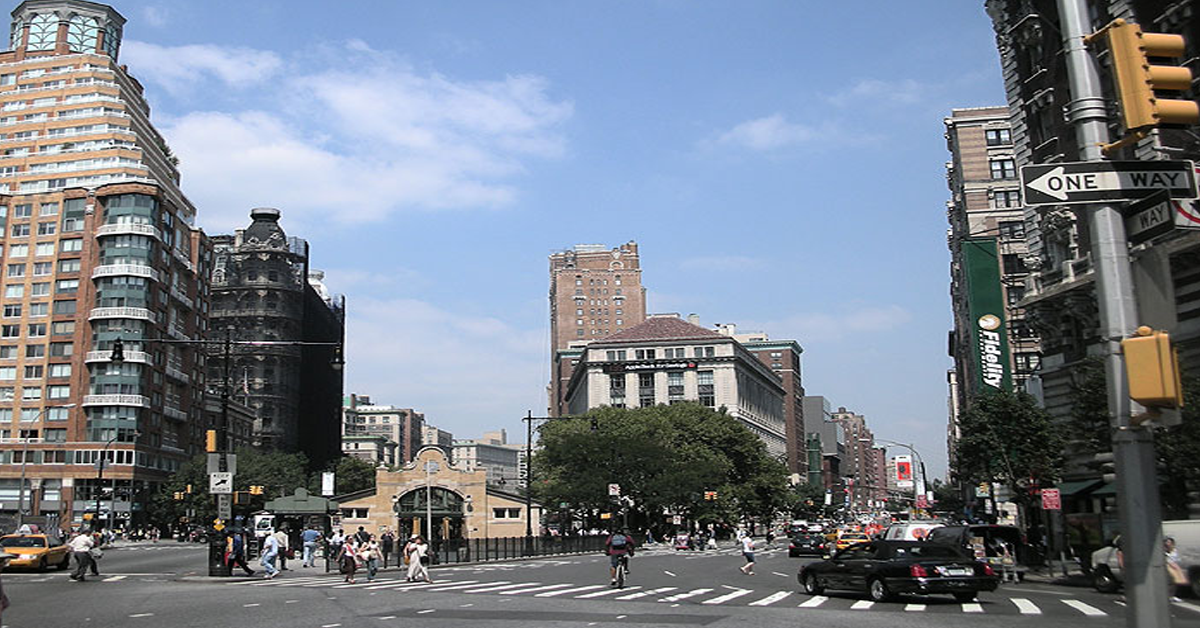
Looking northward on Broadway toward 72nd Street in Verdi Square, New York City. The New York City Subway's 72nd Street station house can be seen at left.
Articles

My Concept: The Aging In Recovery Residential Model

For decades, public systems in the United States have approached addiction and aging as entirely separate issues. We developed addiction treatment systems for people struggling with substance use disorders, and we developed aging services for older adults requiring assistance later in life. What society failed to anticipate was that millions of people would successfully recover

, , , , ,

My Concept: The Aging In Recovery Residential Model Read Post »

Aging In Recovery, Articles, Social Work

Aging in Long-Term Recovery: A System We Never Built

For decades, the goal in addiction treatment has been clear: help people get clean, stabilize their lives, and sustain recovery. And for many, that goal has been achieved. But now we are facing a new reality. A growing number of individuals who entered recovery in the 1980s and 1990s are aging into their 60s, 70s,

, , , , , ,

Aging in Long-Term Recovery: A System We Never Built Read Post »

Aging In Recovery, Articles, Social Work

Implications for Practice, Policy, and Lifespan Recovery Support

This is a hypothetical case for educational purposes, developed by Gil Cintron, LMSW She entered recovery at 22. At the time, no one used the phrase long-term recovery. The goal was simpler, more immediate: stop using, stabilize, survive. She had been living on the margins—selling sex to support her addiction, moving between unstable housing situations,

, , , , , , ,

Implications for Practice, Policy, and Lifespan Recovery Support Read Post »

Aging In Recovery

Aging in Recovery The System Gap Hiding in Plain Sight

A growing number of individuals are entering older adulthood after decades of sustained recovery. Yet the systems designed to support aging populations were never built with this group in mind. Aging services focus on physical decline, chronic illness, and functional support. Behavioral health systems, by contrast, tend to focus on early recovery and treatment. What

, , , , , , ,

Aging in Recovery The System Gap Hiding in Plain Sight Read Post »

Scroll to Top