Aging In Recovery

Aging In Recovery, Articles, Social Work

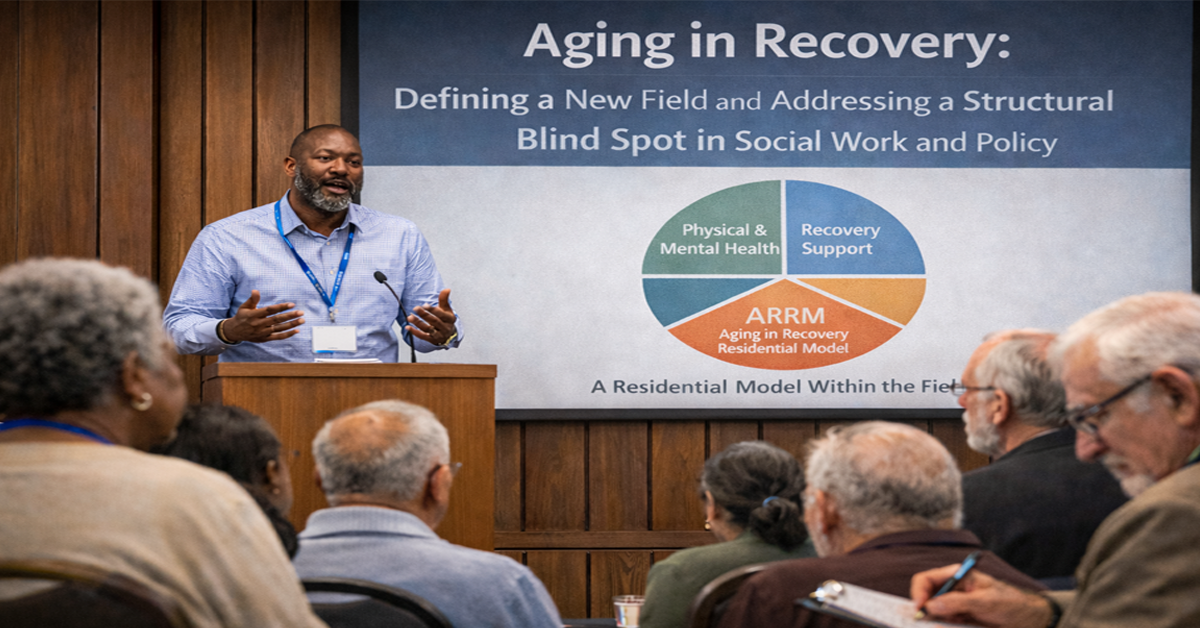
Aging in Recovery Residential Model (ARRM): What the Evidence Requires

The development of systems addressing substance use disorders and aging has occurred along separate trajectories. Treatment systems have focused on initiating recovery, while aging systems have evolved to address chronic illness and long-term care. The convergence of these two realities—long-term recovery and population aging—has produced a structural condition that existing systems were not designed to […]

, , , , , ,

Aging in Recovery Residential Model (ARRM): What the Evidence Requires Read Post »

Aging In Recovery, Articles, Social Work

ARRM: Rethinking Recovery Through Environment and Continuity

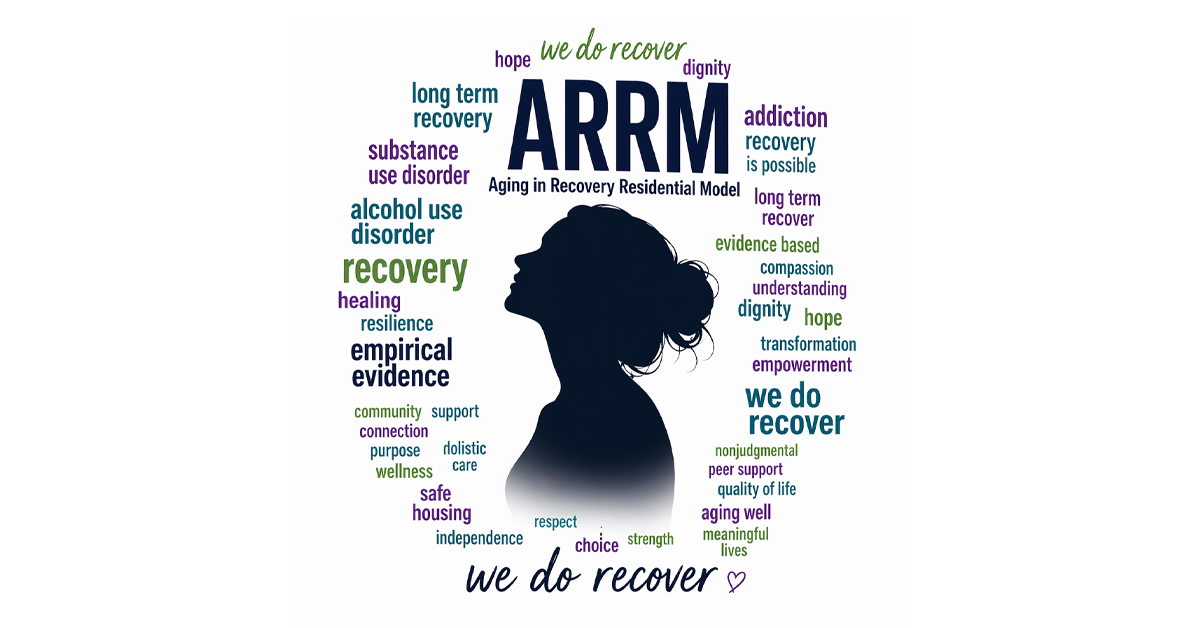
As the field of Aging in Recovery continues to take shape, one question becomes unavoidable: what does long-term recovery actually require as individuals enter later life? The Aging in Recovery Residential Model (ARRM) offers a clear and practical answer. It is not an abstract concept or a general response framework. ARRM is a structural, residential

, , , , , , , ,

ARRM: Rethinking Recovery Through Environment and Continuity Read Post »

Aging In Recovery, Articles, Social Work

Aging in Recovery: The Population We Failed to Plan For

Over the past several decades, thousands of individuals have achieved something once considered unlikely—long-term recovery from substance use disorders. Many have sustained that recovery for 10, 20, and even 30 years. Today, they are entering older adulthood. Yet despite this success, there is a problem: no system was built for what comes next. Aging in

, , , , ,

Aging in Recovery: The Population We Failed to Plan For Read Post »

Aging In Recovery, Articles, Social Work

Aging in Place—But Not Always in Stability

Aging in place has become one of the most widely promoted ideas in aging policy. The concept is simple: remaining at home as one grows older is associated with independence, comfort, and continuity. For many, this holds true. But the model assumes something that is not always present—stability. For individuals aging in recovery, stability is

, , , , ,

Aging in Place—But Not Always in Stability Read Post »

Aging In Recovery, Articles, Social Work

Aging in Recovery: The Invisible Population We Failed to Plan For

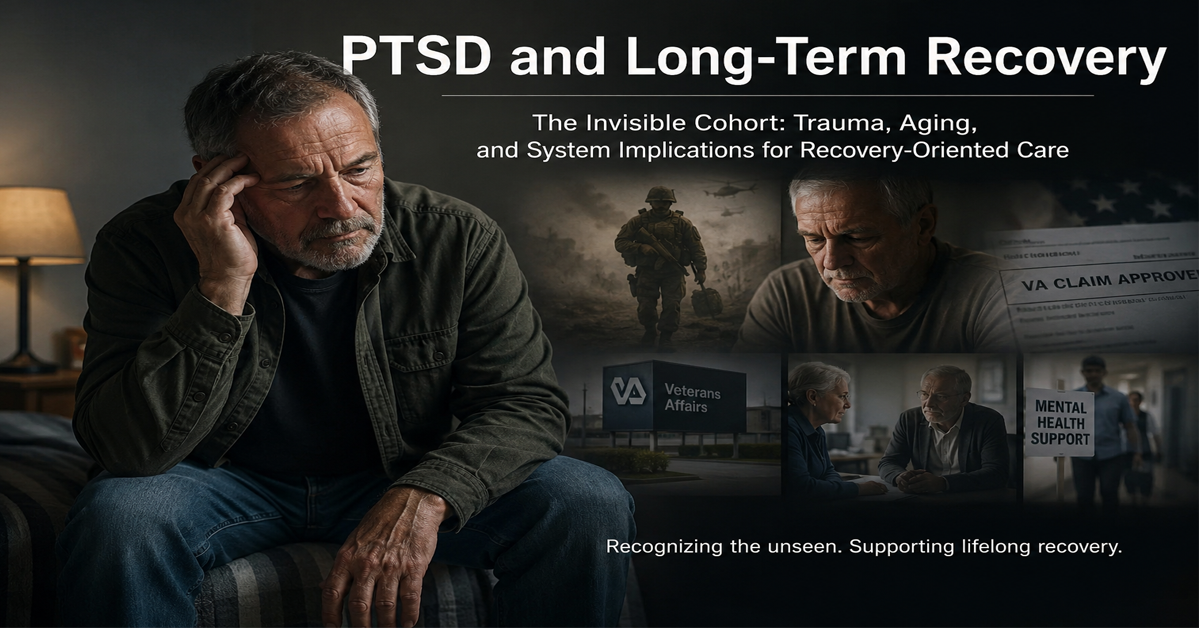
For decades, the conversation around addiction has focused on one phase: active substance use. When recovery is discussed, it is often framed as a short-term outcome rather than a lifelong process. But what happens after recovery is achieved—and sustained for decades? A growing number of individuals are now entering older adulthood after years, even decades,

, ,

Aging in Recovery: The Invisible Population We Failed to Plan For Read Post »

Aging In Recovery, Articles, Social Work

Aging in Recovery: When Recovery Succeeds but Systems Disappear

When Recovery Succeeds, but Systems Disappear Most systems are designed to respond to problems. A crisis emerges. A response is activated. An outcome is achieved. Then the system moves on. In recovery services, this structure is everywhere. Programs are designed for entry. Services focus on stabilization. Support is strongest at the beginning. But what happens

, , , ,

Aging in Recovery: When Recovery Succeeds but Systems Disappear Read Post »

Scroll to Top