Substance Use Disorder

Aging In Recovery, Articles, Social Work

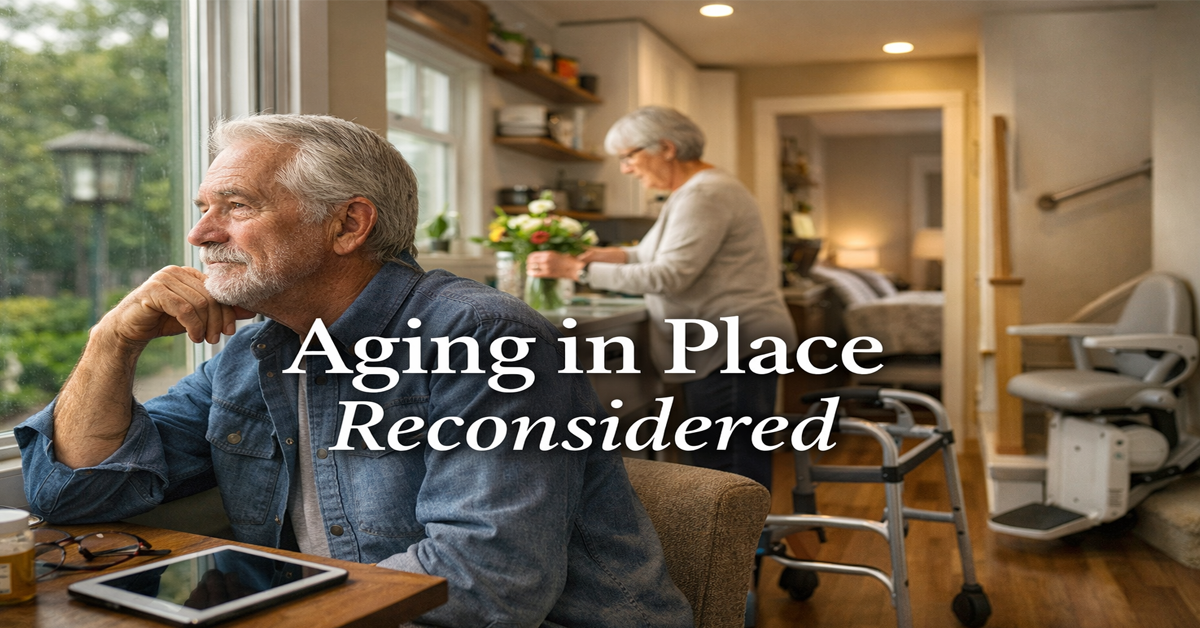
Aging in Place—But Not Always in Stability

Aging in place has become one of the most widely promoted ideas in aging policy. The concept is simple: remaining at home as one grows older is associated with independence, comfort, and continuity. For many, this holds true. But the model assumes something that is not always present—stability. For individuals aging in recovery, stability is […]

, , , , ,

Aging in Place—But Not Always in Stability Read Post »

Aging In Recovery, Articles, Social Work

Implications for Practice, Policy, and Lifespan Recovery Support

This is a hypothetical case for educational purposes, developed by Gil Cintron, LMSW She entered recovery at 22. At the time, no one used the phrase long-term recovery. The goal was simpler, more immediate: stop using, stabilize, survive. She had been living on the margins—selling sex to support her addiction, moving between unstable housing situations,

, , , , , , ,

Implications for Practice, Policy, and Lifespan Recovery Support Read Post »

Aging In Recovery

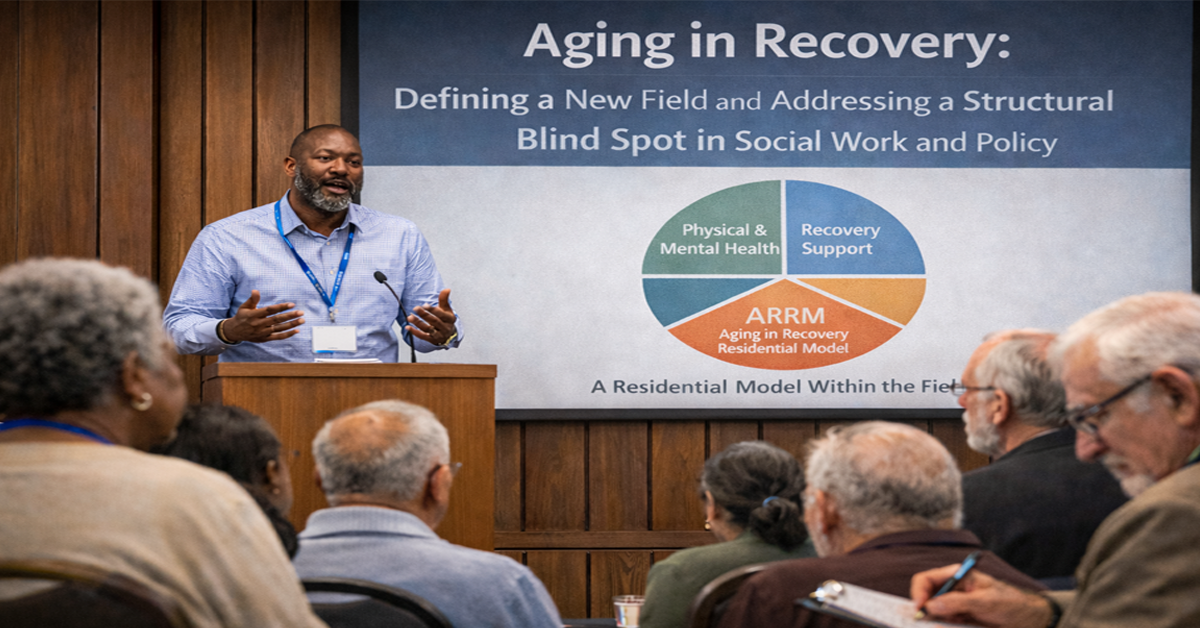
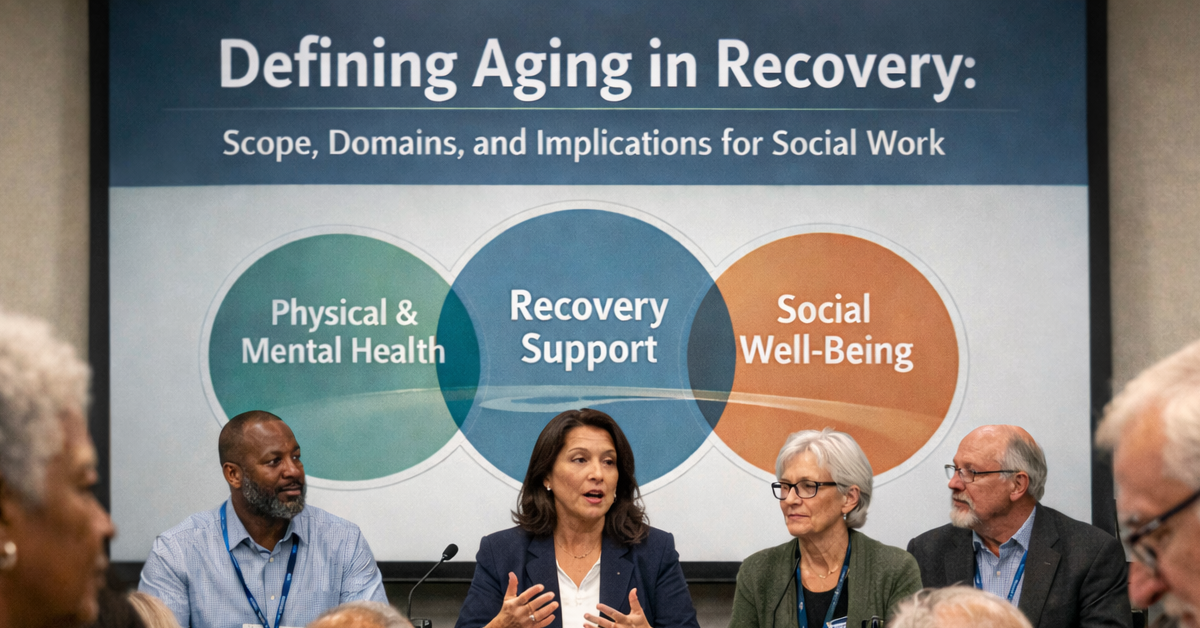
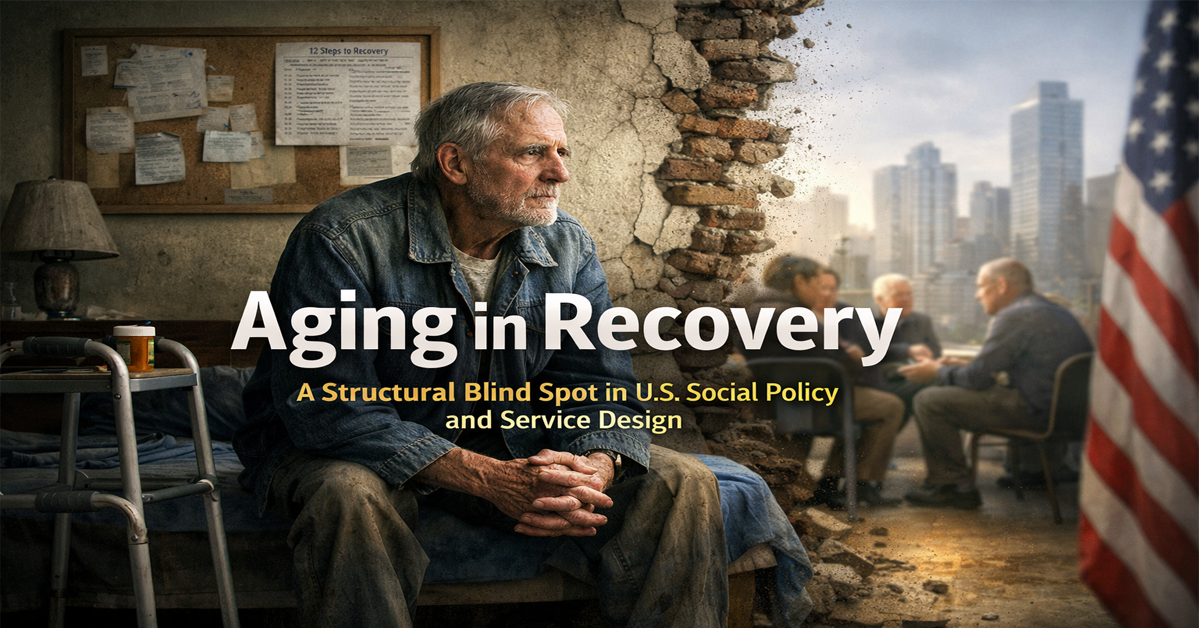
Aging in Recovery The System Gap Hiding in Plain Sight

A growing number of individuals are entering older adulthood after decades of sustained recovery. Yet the systems designed to support aging populations were never built with this group in mind. Aging services focus on physical decline, chronic illness, and functional support. Behavioral health systems, by contrast, tend to focus on early recovery and treatment. What

, , , , , , ,

Aging in Recovery The System Gap Hiding in Plain Sight Read Post »

Scroll to Top