Aging In Recovery

Aging In Recovery

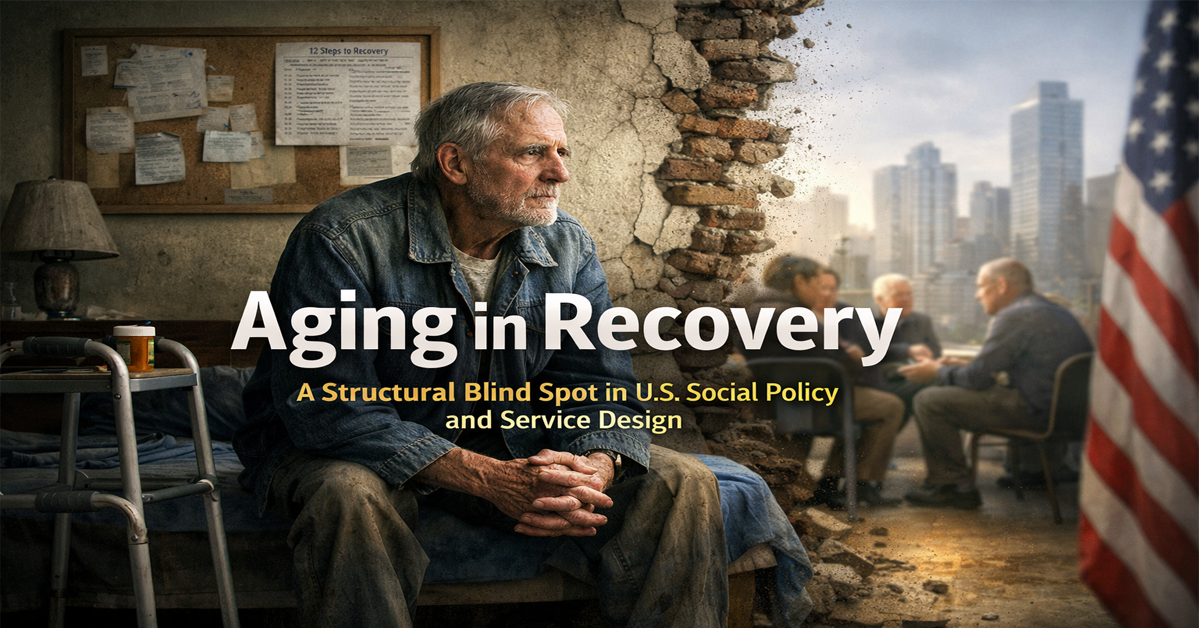
Aging in Recovery The System Gap Hiding in Plain Sight

A growing number of individuals are entering older adulthood after decades of sustained recovery. Yet the systems designed to support aging populations were never built with this group in mind. Aging services focus on physical decline, chronic illness, and functional support. Behavioral health systems, by contrast, tend to focus on early recovery and treatment. What […]

, , , , , , ,

Aging in Recovery The System Gap Hiding in Plain Sight Read Post »

Aging In Recovery

Challenging Misconceptions About Individuals Living in Long-Term Recovery

Recovery is far more common and diverse than public perception often suggests. Individuals in recovery are parents, professionals, neighbors, and community members who contribute meaningfully across all sectors of society. They are educators, healthcare workers, business owners, and public servants—each embodying resilience and personal growth. Yet stigma and misinformation continue to shape how the public

, , ,

Challenging Misconceptions About Individuals Living in Long-Term Recovery Read Post »

Aging In Recovery

Aging in Recovery: Why Fellowship Still Matters

As the population ages, a hidden group continues to grow—people aging in long-term recovery. For decades, many relied on fellowship for stability. Mutual aid programs, such as 12-step fellowships and other self-help groups, provide structure, accountability, and connection. These supports help people maintain long-term recovery. Aging changes that. Health issues limit mobility. Transportation becomes harder.

, , , , ,

Aging in Recovery: Why Fellowship Still Matters Read Post »

Scroll to Top