Author name: Gil Cintron, LMSW

Aging In Recovery, Articles, Social Work

Aging in Recovery: The Invisible Population We Failed to Plan For

For decades, the conversation around addiction has focused on one phase: active substance use. When recovery is discussed, it is often framed as a short-term outcome rather than a lifelong process. But what happens after recovery is achieved—and sustained for decades? A growing number of individuals are now entering older adulthood after years, even decades, […]

, ,

Aging in Recovery: The Invisible Population We Failed to Plan For Read Post »

Aging In Recovery, Articles, Social Work

Aging in Recovery: When Recovery Succeeds but Systems Disappear

When Recovery Succeeds, but Systems Disappear Most systems are designed to respond to problems. A crisis emerges. A response is activated. An outcome is achieved. Then the system moves on. In recovery services, this structure is everywhere. Programs are designed for entry. Services focus on stabilization. Support is strongest at the beginning. But what happens

, , , ,

Aging in Recovery: When Recovery Succeeds but Systems Disappear Read Post »

Aging In Recovery, Articles, Social Work

Aging In Recovery: When Systems Dont Know What To Do Next

For decades, social and healthcare systems have been designed to respond to crises. Substance use. Hospitalization. Instability. When these events occur, systems activate. Services appear. Interventions are deployed. But what happens when SUD recovery works? What happens when someone lives 20, 30, even 40 years in recovery — and begins to age? This is where

, , ,

Aging In Recovery: When Systems Dont Know What To Do Next Read Post »

Aging In Recovery

Reclaiming the Breadth of Social Work Practice

Social work has historically balanced commitments to both individual care and collective reform. Over the last century, the field’s integration into health and behavioral-health systems has emphasized clinical treatment over social reform. This article argues for reclaiming macro-level systems innovation as central to contemporary social work. Drawing from the field’s historical foundations and emerging research,

, ,

Reclaiming the Breadth of Social Work Practice Read Post »

Aging In Recovery, Articles

Why Recovery Doesn’t Stay the Same as We Age

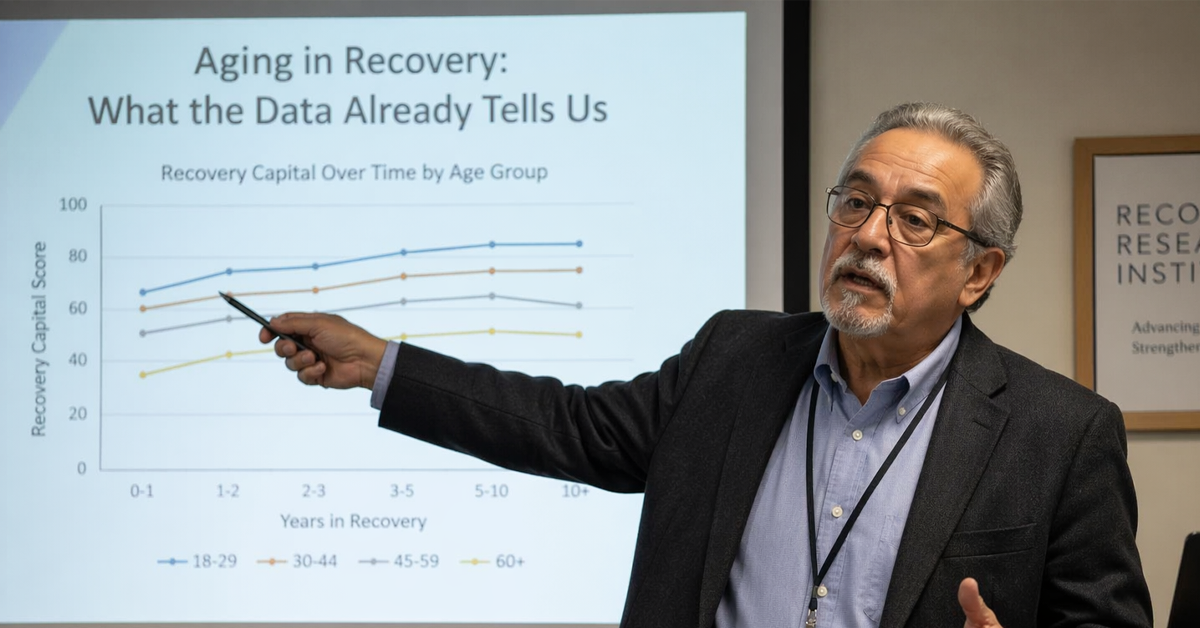
Recovery is often viewed as something achieved and maintained over time. However, this perspective overlooks an important reality: the conditions that support recovery change. The concept of recovery capital helps explain this. Recovery capital refers to the resources that support long-term stability—relationships, financial security, health, and access to services. These resources are not fixed. They

, , , , ,

Why Recovery Doesn’t Stay the Same as We Age Read Post »

Aging In Recovery

When Social Work Shifted Away from Systems

Social work did not begin as a clinical profession. It began as a reform movement focused on changing the conditions that produced poverty, inequality, and social distress. Early leaders understood that individual challenges were deeply connected to broader systems. Their work addressed both. Over time, however, the profession evolved. With the introduction of casework and

, ,

When Social Work Shifted Away from Systems Read Post »

Scroll to Top