Policy Impacts, Social Cohesion, and the 2026 Crossroads
The ideological forces traced through historical and political lineage in Part Two are now manifesting in aggressive policies and enforcement tactics — posing immediate threats to immigrant communities and reshaping the social and political landscape ahead of the 2026 midterm elections. This section maps how demographic fear has become state action, the social ripple effects, and what’s at risk for democracy if current trends continue unchecked.
Policy Escalation in 2025–2026
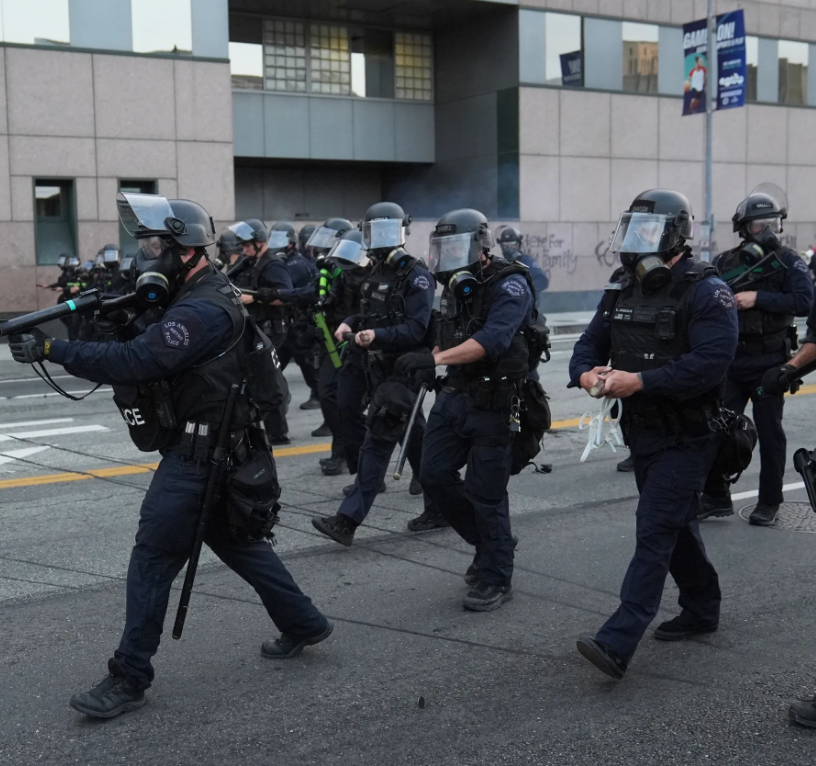
Militarized Immigration Enforcement
• Under 2025’s new national security measures, U.S. Immigration and Customs Enforcement (ICE) has dramatically intensified interior enforcement. Deportations from U.S. cities now outpace border-crossing arrests — a reversal unseen in years. ([migrationpolicy.org][1])
• Simultaneously, the deployment of federal forces — including troops from the National Guard — has been authorized to support immigration crackdowns. At least seven Republican-led states have approved National Guard deployment in support of ICE. ([Alaska Beacon][2])
• Reports indicate mass raids, sweeps, and enforcement operations targeting immigrant-heavy neighborhoods, often using force and detentions irrespective of criminal history. ([The Washington Post][3])
These developments mark a significant shift: from immigration regulation to domestic militarized enforcement — a structural expansion of state power justified by demographic fear.
Legislative and Regulatory Changes
• 2025 legislation and executive orders have increased enforcement funding, expanded expedited removal powers, and reinstated strict immigration-restriction frameworks. ([NILC][4])
• Proposed regulations would expand biometric surveillance, tighten visa rules, eliminate certain pathways to legal status, and impose heavier burdens on immigrants seeking asylum or residency. ([American Immigration Council][5])
• States and localities face pressure to comply; in parallel, some jurisdictions attempt to assert sanctuary protections — leading to constitutional and political conflicts. ([MultiState][6])
Together, these policy shifts represent more than incremental change — they are a structural redesign of immigration and enforcement aimed at transforming who belongs, where, and on what terms.
Social Cohesion Under Threat
This policy escalation carries deep consequences for social cohesion and civic stability.
• Recent survey data reveals that many immigrant families report growing fear, anxiety, and distrust of institutions. Many are avoiding public services, employment opportunities, or community engagement out of fear of raids or deportation. ([KFF][7])
• The rising normalization of enforcement and militarization erodes trust between immigrant communities and government, damages civic participation, and undermines long-term integration efforts.
• Color-blind rhetoric — the claim that policy affects “all immigrants” or “security threats” — masks how enforcement disproportionately targets nonwhite, immigrant, or mixed-status communities. This replicates the logic of past eugenic and exclusion campaigns rather than acknowledging systemic inequities.
2026 Mid-Terms: A Pivotal Moment
With 2026 on the horizon, the nation faces a crucial electoral and ideological crossroads:
• The demographic baseline is shifting. Immigrant and second-generation communities represent a growing proportion of eligible voters. Recent data suggests rising political engagement among immigrant households in response to enforcement policies. ([KFF][8])
• Anti-immigrant legislative and enforcement actions risk alienating these communities, suppressing voter turnout, and chilling civic participation — precisely at a moment when their representation could reshape electoral outcomes.
• On the other hand, if organized and mobilized, immigrant communities could emerge as a powerful counterweight to exclusionary politics, demanding humane policy, enforcement accountability, and democratic inclusion.
This election cycle may well determine whether 2025’s escalation becomes entrenched or whether resistance, reform, and inclusive policy gain ground.
What’s at Stake
• Civil liberties and constitutional protections. The use of militarized enforcement creates dangerous precedents for domestic deployment of troops and broad deportation powers.
• Democratic participation. Suppressive enforcement and anti-immigrant policy risk disenfranchising large segments of the populace just as they are gaining demographic weight.
• Social trust and cohesion. Immigrant communities — long a foundation of U.S. economic and cultural life — may be driven underground, increasing marginalization, fear, and social fragmentation.
• National identity. The attempt to define “Americanness” narrowly undermines pluralism, pluralistic democracy, and the promise of inclusion.
Looking Forward: Possible Futures and What Needs to Change
Given these stakes, the coming period demands urgent action. There are two broadly divergent paths ahead:
Path 1 — Escalation and Exclusion
If enforcement, militarization, and exclusionary legislation continue unchecked, America risks entrenched repression of immigrant communities. Social polarization deepens, civic trust erodes, and democracy becomes selective — available only to some, not all.
Path 2 — Inclusive Democracy and Reform
Alternatively, through advocacy, organizing, voter mobilization, and policy change, the country can reaffirm its commitment to pluralism, human rights, and equality. This path would involve:
• Legislation protecting immigrant rights and access to due process
• Oversight and limitations on military and law enforcement use
• Civic education initiatives that contextualize immigration historically
• Economic and social investment in immigrant and marginalized communities
• Robust voter engagement and representation efforts
The 2026 mid-term elections offer a critical turning point. The nation must choose whether to double down on fear – or embrace inclusion.
Conclusion of Part Three: America at the Crossroads
The United States stands at a moment of decision. The browning of America — its demographic transformation — is not a crisis. The crisis lies in the politics of fear, exclusion, and state power.
If 2025’s enforcement surge becomes normalized, and if legislation continues to codify exclusion, the result will be a more divided, less democratic nation.
If instead immigrant communities, allies, and democratic institutions resist and organize, 2026 could mark a resurgence of inclusion — a reaffirmation that America can be multiracial, pluralistic, and just.
This is the crossroads where America finds itself. What happens next depends not just on demographic change, but on collective choices, civic engagement, and moral will.
Pingback:Demographic Transformation and Democratic Resistance Part Four - GILBERTO CINTRON